Benefits of Deep Breathing for Health
The Power of Deep Breathing: A Simple Guide
In our busy daily lives, we often overlook one of the most powerful tools we possess for improving our health—our breath. Deep breathing isn’t just a relaxing exercise; it’s a vital part of staying healthy and balanced. Let’s explore the incredible benefits of deep breathing and learn how to integrate this practice into our everyday routines.
What is Deep Breathing?
Deep breathing, also known as diaphragmatic breathing, is a method of breathing that involves taking slow, deep breaths. When we breathe deeply, the air fully fills our lungs and our lower belly rises. This technique is effective for calming the mind and enriching the body with oxygen.
Why Deep Breathing Matters
The benefits of deep breathing are numerous and profound. Here are some reasons why you should consider making deep breathing a daily habit.
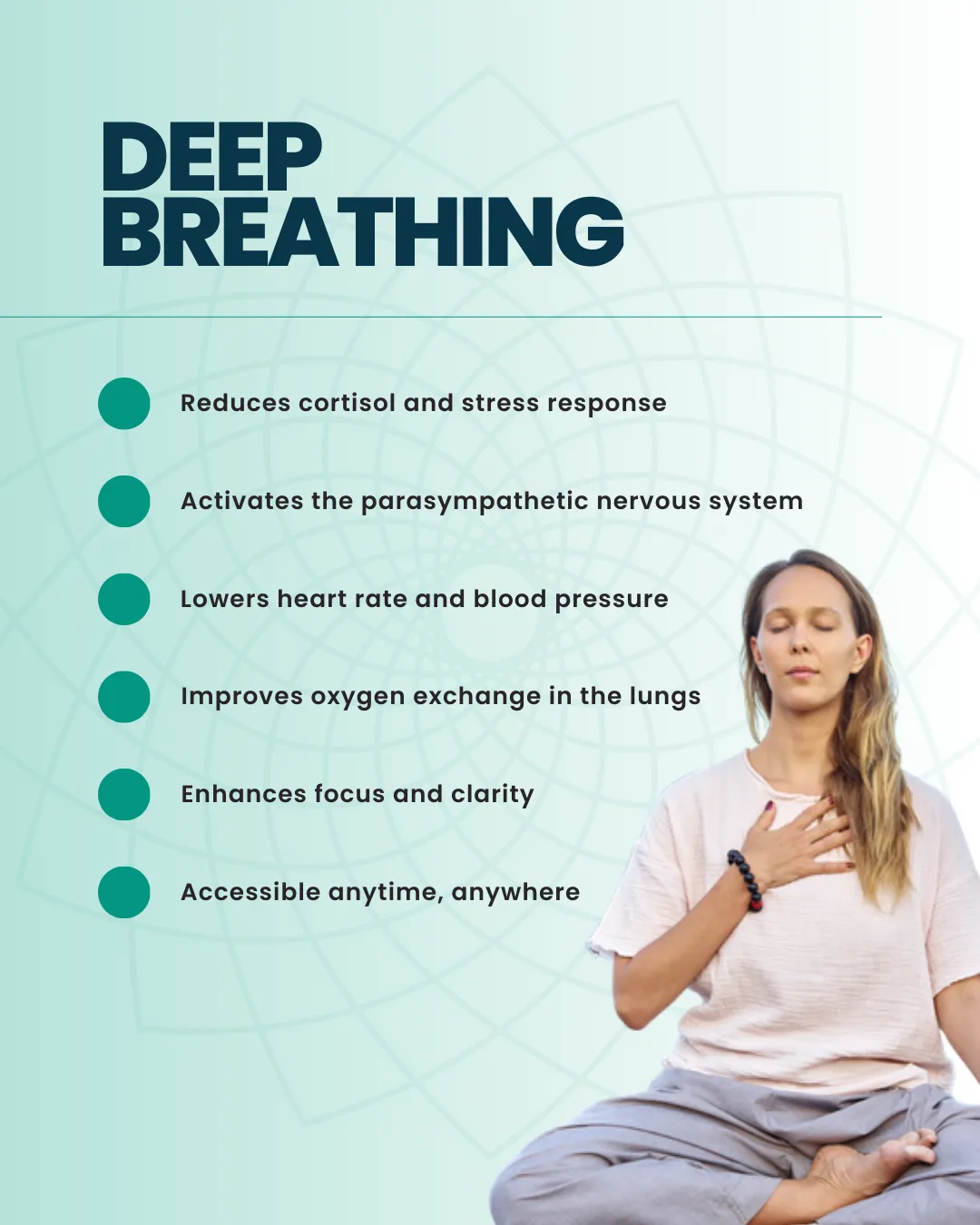
- Reduces Cortisol and Stress Response: Stress is a part of life, but deep breathing helps manage it effectively. By slowing down your breath, you can reduce cortisol levels, which is the hormone responsible for stress.
- Activates the Parasympathetic Nervous System: This system is essential for relaxation and restoration. Deep breathing activates it, helping you feel calm and at ease.
- Lowers Heart Rate and Blood Pressure: Regular deep breathing exercises can help lower blood pressure and decrease heart rate, which contributes to keeping the heart healthy.
- Improves Oxygen Exchange in the Lungs: Deep breathing increases the efficiency of oxygen exchange in your lungs, which boosts overall energy levels and body function.
- Enhances Focus and Clarity: By engaging in deep breathing, you can clear your mind, focus better, and enhance mental clarity. It’s particularly beneficial for students and professionals who require sustained attention.
- Accessible Anytime, Anywhere: One of the greatest benefits of deep breathing is that it can be practiced anywhere—at work, at home, or even while traveling. It requires no special equipment and can be done in moments of stress.
How to Practice Deep Breathing
Ready to give deep breathing a try? Follow these simple steps:
- Find a comfortable position: You can sit or lie down—whatever feels best.
- Place one hand on your belly and the other on your chest.
- Take a slow, deep breath through your nose, letting your belly rise and the air fill your lungs.
- Hold your breath for a moment or two, then slowly exhale through your mouth.
- Repeat the process for a few minutes, focusing on your breath and how your body feels with each inhale and exhale.
Incorporating Deep Breathing into Daily Life
Making deep breathing a routine part of your day doesn’t have to be challenging. Here are some tips for incorporating it:
- Start Your Day with Breath: Begin each morning with five minutes of deep breathing to set a positive tone for the day.
- Take Breath Breaks: During work or study sessions, take short breaks to practice deep breathing. It can rejuvenate and refocus your mind.
- Combine with Physical Activity: Pair deep breathing with exercises such as yoga or tai chi to enhance relaxation effects.
- End Your Day Calmly: Wind down at night with a relaxation routine that includes deep breathing to promote better sleep.
Conclusion
Deep breathing is more than just a simple relaxation technique. It’s a powerful practice that promotes wellness and balance. By dedicating just a few minutes each day to this practice, you can significantly enhance your quality of life, reduce stress, improve mental clarity, and promote better health. So why wait? Start incorporating deep breathing into your daily routine today and experience the benefits for yourself!