Build a Balanced Plate for Health
How to Build a Balanced Plate for Better Health
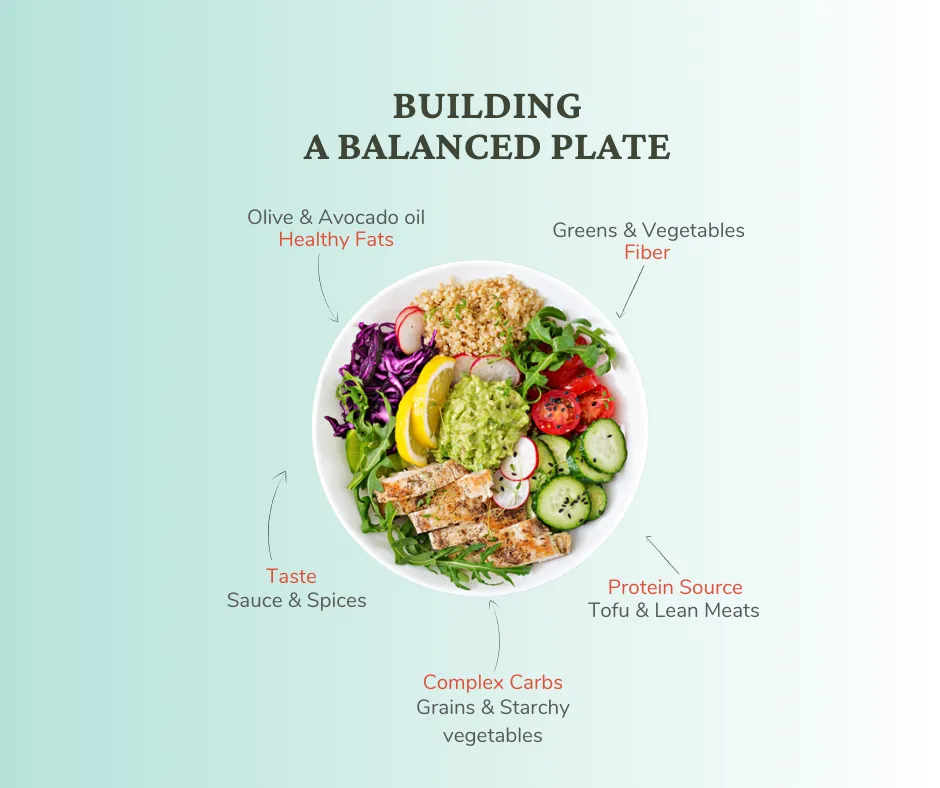
Creating a balanced meal can help you maintain a healthy lifestyle. Understanding how to fill your plate with the right foods is essential to ensure good health. This guide will walk you through the important components of a nutritious meal. Let's explore the various sections of a balanced plate and how they contribute to a healthier you.
1. Healthy Fats
Incorporating healthy fats is crucial to maintaining energy and supporting cell growth. These fats are packed with Omega-3s and Omega-6s, which are beneficial for heart health and cognitive function. Here are some excellent sources:
- Olive oil
- Avocado oil
These oils can be used in cooking or as a salad dressing. They add flavor and nutritional value to your meals.
2. Fiber from Greens and Vegetables
Fiber is a key component of a healthy diet, aiding digestion and regulating blood sugar levels. Greens and vegetables are rich in vitamins and minerals essential for overall well-being. Make sure to include a variety of vegetables on your plate, such as:
- Leafy greens like spinach or kale
- Cucumbers
- Radishes
These vegetables not only provide fiber but also offer a range of flavors and textures to make your meals more enjoyable.
3. Protein Sources
Protein is vital for building and repairing tissues. It's also important for making enzymes and hormones. By including a good source of protein, you can enhance muscle growth and maintain strong bones. Consider adding:
- Tofu
- Lean meats like chicken or turkey
Protein sources should make up a significant portion of your meal to ensure you are nourished and satisfied.
4. Complex Carbohydrates
Complex carbs are essential for providing a steady energy source throughout the day. They are packed with fiber and nutrients, which help keep you full longer. Include grains and starchy vegetables like:
- Whole grains such as quinoa or brown rice
- Sweet potatoes
These carbohydrates can help maintain optimal energy levels, aiding in daily activities and exercises.
5. Taste: Sauce and Spices
Flavoring your food plays a critical role in enjoying healthy meals. Adding different sauces and spices ensures you relish every bite. Popular choices for adding taste include:
- Herbs like basil and cilantro
- Spices like cumin and turmeric
Using natural herbs and spices can elevate the taste profile of your dishes without adding extra calories.
Conclusion
Building a balanced plate doesn't have to be complicated. By focusing on various food groups and ensuring your meals are diverse and nutritious, you can achieve a healthier lifestyle. Remember to include healthy fats, fiber-rich greens, adequate proteins, complex carbs, and flavorful spices. Making these elements a part of your daily meals can lead to improved health and greater satisfaction.
Strive to mix and match these components to keep your meals exciting and fulfilling. Here's to building a stronger, healthier you, one plate at a time!