How Fiber Detoxifies Your Body Effectively
Exploring the Power of Fiber for Detox
Have you ever wondered why health experts emphasize including fiber in our diets? It's not just because it helps with digestion. Fiber plays a crucial role in detoxifying the body. Let’s explore some of the fantastic benefits of fiber and why it should be a regular part of your meals.
What is Fiber?
Fiber is a type of carbohydrate the body cannot digest. While most carbohydrates are broken down into sugar molecules, fiber cannot be broken down into sugar, and instead, it passes through the body undigested. It comes in two forms: soluble and insoluble.
Soluble Fiber
- Found in foods like oats, peas, beans, apples, and citrus fruits.
- Dissolves in water and forms a gel-like material.
Insoluble Fiber
- Found in foods like whole-wheat flour, wheat bran, nuts, and vegetables.
- Promotes the movement of material through the digestive system.
The Role of Fiber in Detoxification
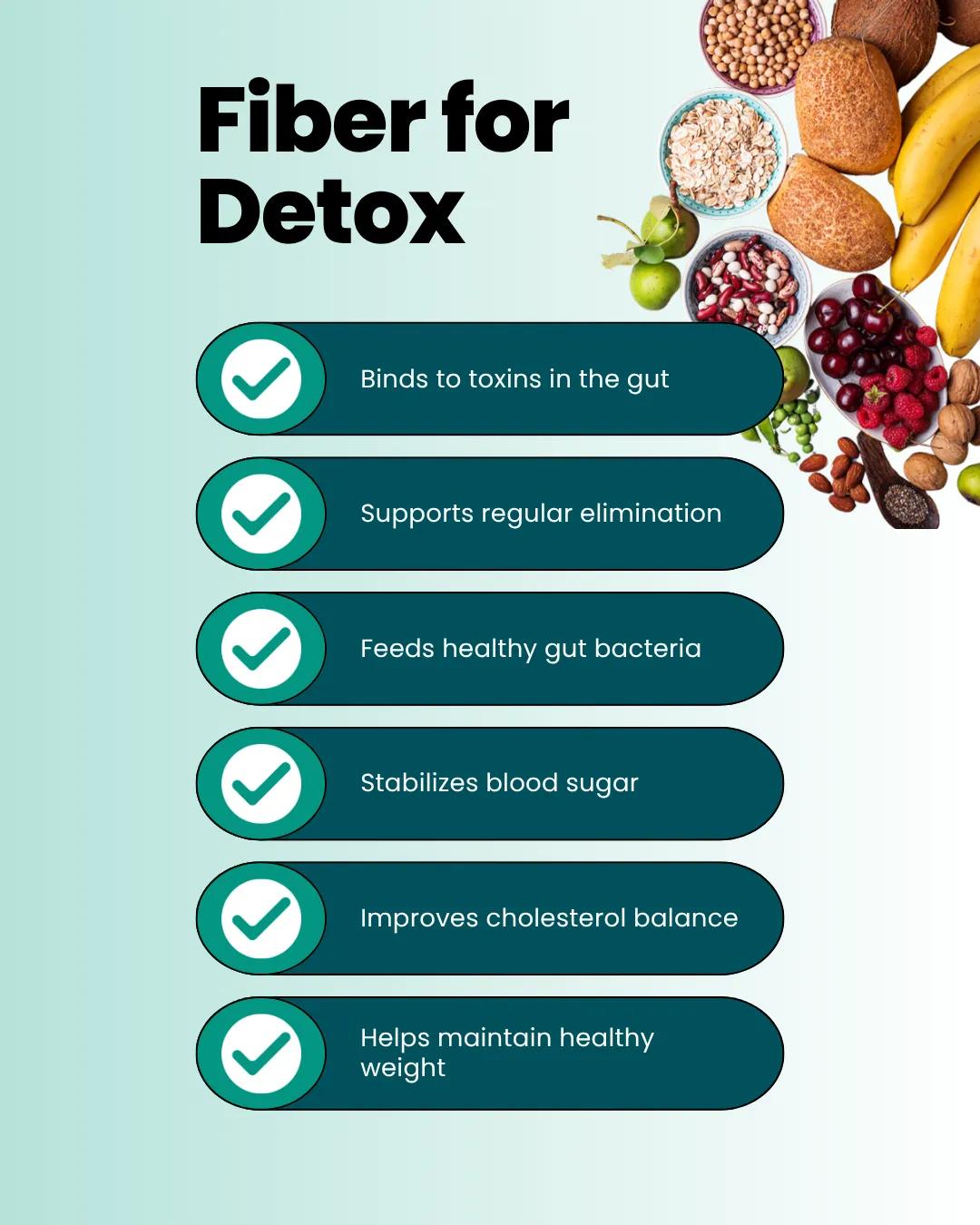
Fiber’s detoxifying power ensures that your body remains clean and healthy. Here's how it helps:
1. Binds to Toxins in the Gut
Fiber can attach to harmful toxins present in the gut. Once these toxins are bound to fiber, they are flushed out of the body, preventing them from being absorbed and causing harm.
2. Supports Regular Elimination
A diet rich in fiber ensures regular bowel movements. This regularity is crucial in eliminating waste and toxins from the body efficiently, keeping your digestive tract clean and healthy.
3. Feeds Healthy Gut Bacteria
Fiber acts as a food source for the healthy bacteria in our gut. These beneficial bacteria produce substances known as short-chain fatty acids during fiber fermentation, which help maintain gut health and potentially prevent the growth of harmful bacteria.
4. Stabilizes Blood Sugar
Fiber's unique gel-like consistency slows the absorption of sugar, thus stabilizing blood sugar levels. This helps prevent spikes in blood sugar and reduces the risk of developing type 2 diabetes.
5. Improves Cholesterol Balance
Soluble fiber can reduce LDL cholesterol levels by binding to cholesterol particles and removing them from the body. This balance is key to maintaining heart health.
6. Helps Maintain Healthy Weight
Fiber-rich foods are generally more filling. They take longer to chew and digest, making you feel fuller for longer periods. This can reduce overall calorie intake, helping maintain a healthy weight.
Incorporating More Fiber in Your Diet
Adding more fiber to your diet doesn’t have to be difficult. Here are some simple ways to increase your fiber intake:
- Choose whole grains over refined grains.
- Incorporate more fruits and vegetables into your meals.
- Snack on nuts and seeds.
- Include beans and legumes in your meals.
- Start your day with a high-fiber cereal or oatmeal.
Remember to increase fiber gradually in your diet to minimize bloating or gas. Also, drink plenty of water, which helps fiber function more effectively.
Conclusion
The power of fiber goes beyond just digestion. It plays a vital role in detoxification, heart health, blood sugar management, and weight maintenance. Making fiber a regular part of your diet can lead to a healthier, more balanced lifestyle. Embrace this simple yet transformative dietary change and enjoy the multitude of benefits that fiber offers. Happy eating!