Improve Gut Health: Essential Steps Explained
Understanding and Healing the Gut: A Comprehensive Guide
When considering the state of our overall health, we often overlook the importance of our gut. However, the gut is crucial, acting as a gateway to our overall well-being. This article aims to provide a comprehensive guide on healing the gut first and reintroducing foods later.
The Importance of Gut Health
The gut is a vital organ that balances digestion, nutrient absorption, and even impacts our immune system. An unhealthy gut can cause discomfort and lead to more severe conditions if not addressed properly. Improving gut health is not only beneficial to avoid these issues, but it also enhances the body's overall function.
Steps to Heal the Gut
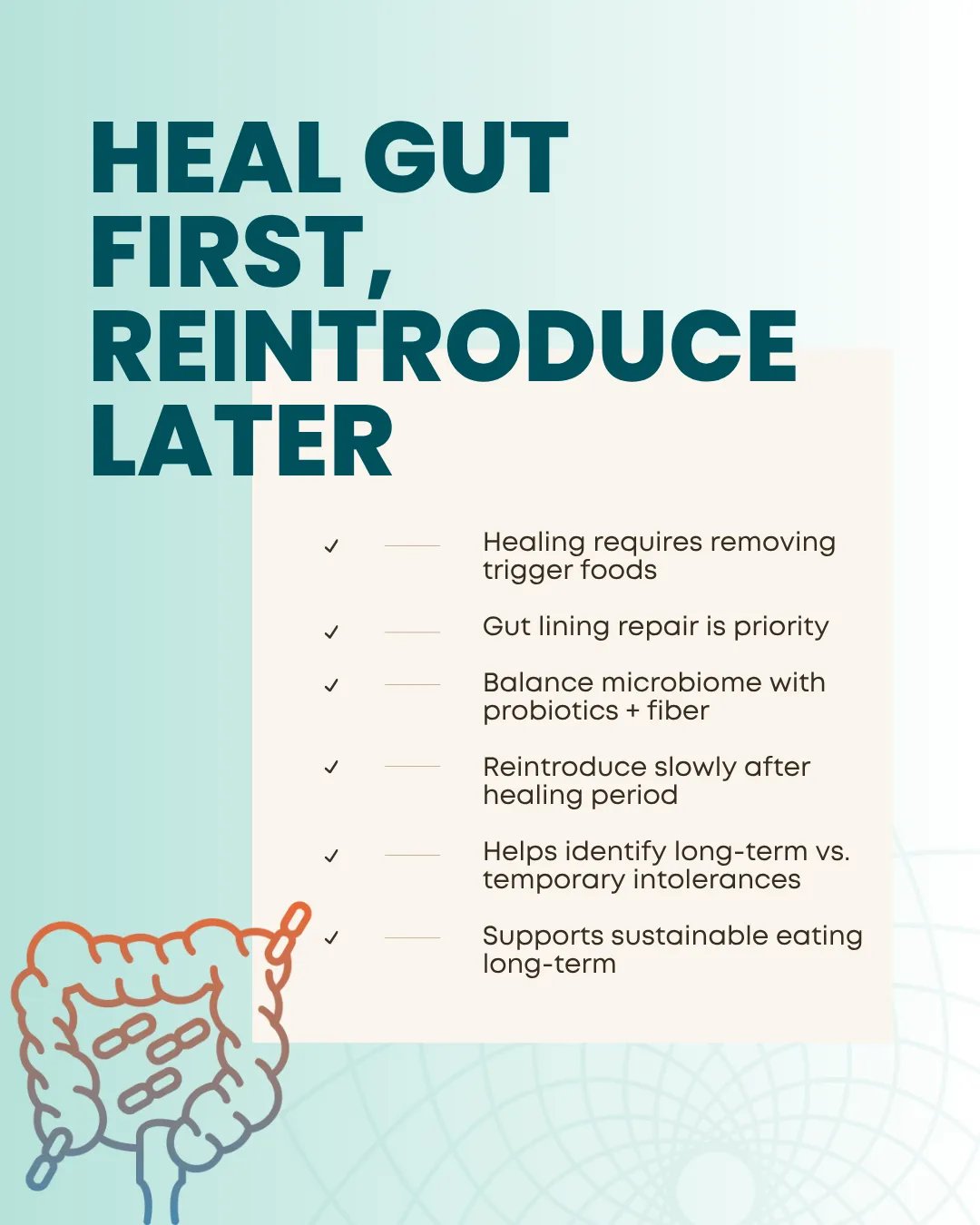
- Remove Trigger Foods: The initial step in healing your gut is identifying and removing potential trigger foods. These can cause inflammation and distress in your digestive system. Keep a food diary to pinpoint and eliminate these foods.
- Focus on Gut Lining Repair: Repairing the gut lining should be a priority. This involves consuming foods rich in collagen, such as bone broth, or supplements that can strengthen the gut wall.
- Balance Your Microbiome: A balanced microbiome is crucial. Probiotics and fiber are beneficial here. Incorporating them into your diet can enhance the beneficial bacteria in your gut, promoting better digestion and health.
The Reintroduction Phase
After successfully following the steps to heal your gut, the next phase involves slowly reintroducing foods. This should be done methodically:
- Reintroduce Slowly: Add one food type back into your diet at a time. Observe any reactions your body may have over several days. This helps determine which foods may still be troublesome.
- Identify Intolerances: This method also allows you to differentiate between temporary and long-term intolerances. Long-term intolerances need more attention and may require a permanent dietary change.
- Sustainable Eating Habits: Developing a sustainable eating plan ensures you can maintain a healthy gut long-term. It’s not only about avoiding certain foods but also ensuring you have balanced nutrition.
Benefits of a Healthy Gut
A healthy gut not only ensures better digestion but also reflects positively on various aspects of health. From clearer skin to improved mental health and bolstered immunity, the benefits are vast. Long-term, maintaining a healed gut can also prevent chronic diseases and promote a more vibrant life.
Conclusion
The journey to achieving a healthy gut involves a careful balance of removing harmful foods and reintroducing them wisely. As with any major dietary or lifestyle change, it is wise to consult with a healthcare professional or nutritionist. With dedication and carefully implementing these steps, we can pave the way for long-term health improvements.
Understanding and caring for your gut health is essential for a healthier, happier life. Start today, and give your gut the care it deserves!