Managing Autoimmune Flare-Ups Effectively
Understanding and Managing Autoimmune Flare-Ups
Autoimmune diseases can be very challenging to deal with. They involve the body's immune system turning against healthy cells, which leads to painful flare-ups. Many people struggle with how to manage these flare-ups effectively. The good news is that understanding certain triggers and making lifestyle changes can help.
Recognizing the Triggers
Many individuals with autoimmune conditions experience flares when certain triggers are present. Let's look at some common triggers:
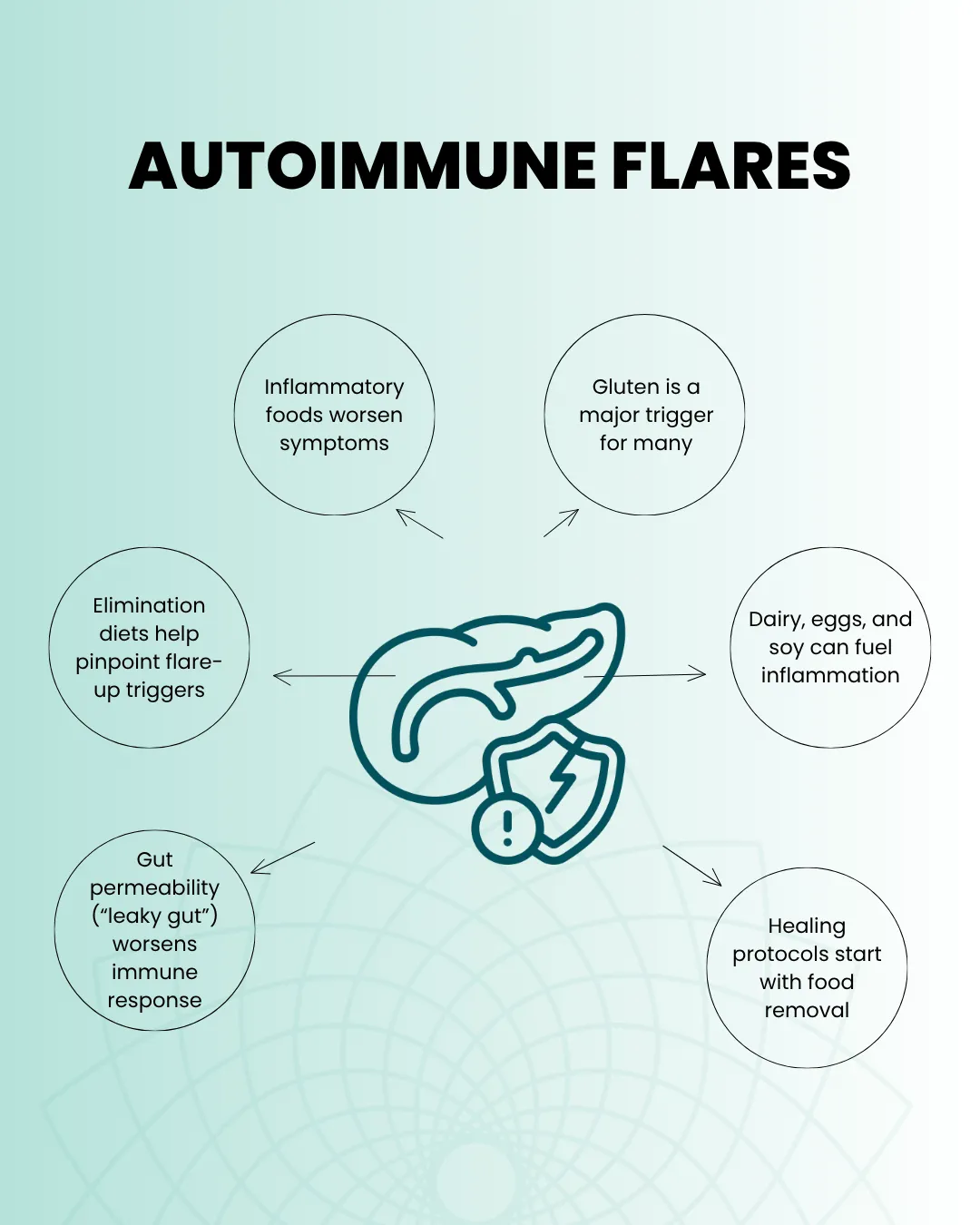
- Inflammatory foods: Foods that cause inflammation can worsen symptoms for many people.
- Gluten: This protein found in wheat, barley, and rye is a significant trigger for numerous individuals.
- Dairy, eggs, and soy: These common food items can also fuel inflammation.
- Gut permeability: Often referred to as a "leaky gut," this condition can worsen the body's immune response.
The Power of Elimination Diets
One useful method to identify specific triggers is an elimination diet. This involves removing potentially harmful foods from your diet and gradually reintroducing them to see if they cause symptoms. Here's how it works:
- Identify foods known to trigger inflammation.
- Remove these foods from your diet completely for a few weeks.
- Monitor your body's reactions and document any changes.
- Gradually reintroduce foods one at a time, watching for any flare-up in symptoms.
Through this process, you can pinpoint which foods might be causing issues.
Why Gluten and Other Foods Matter
**Gluten** is particularly tricky for many with autoimmune problems. This protein can not only irritate the gut but also cause the immune system to react aggressively. Those who have sensitivities or celiac disease might find that even small amounts of gluten provoke a strong reaction.
Dairy, eggs, and soy are other common culprits. The proteins in these foods can stimulate an inflammatory response, leading to increased discomfort and pain.
Gut Health and Its Role
A healthy gut is essential when managing autoimmune conditions. Here's why:
- Gut permeability: A "leaky gut" allows large particles, including proteins, to enter the bloodstream, causing an inflammatory response. By focusing on healing the gut, you can reduce some of these reactions.
- Supporting gut health: Probiotics, adequate hydration, and a balanced diet rich in fiber can strengthen the gut barrier.
Starting with Food Removal
Effective healing often begins with the removal of offending foods. Here's why:
- **Immediate relief:** Removing problem foods can provide quick relief and reduce flare-up frequency.
- **Long-term healing:** This step not only helps control symptoms but may also lead to long-term improvement in overall health.
Seeking Professional Support
While making dietary changes at home is a great start, consulting with a healthcare professional, such as a nutritionist, can be invaluable. They can provide personalized advice tailored to individual needs, ensuring a balanced nutritional intake while managing symptoms.
It is important to understand your body's unique needs and work with professionals to ensure a supportive and effective plan.
Final Thoughts
Autoimmune flare-ups can disrupt daily life, but with understanding and the right approach, managing them becomes possible. By recognizing personal triggers, utilizing elimination diets, and focusing on gut health, you can reduce symptoms and improve quality of life. Remember, it's a journey, and each step can bring about positive change.