Understanding Dairy Sensitivities and Health
Understanding the Impact of Dairy on Your Health
Dairy products have long been a staple in many diets around the world. Milk, cheese, yogurt, and butter are common in the meals we prepare daily. However, not everyone reacts to dairy in the same way. For some, consuming dairy can trigger a range of health issues. It's important to understand how dairy can affect your body and what steps you can take to manage these effects.
Common Reactions to Dairy
Many people experience sensitivities or intolerance to dairy products. Here are some common reactions:
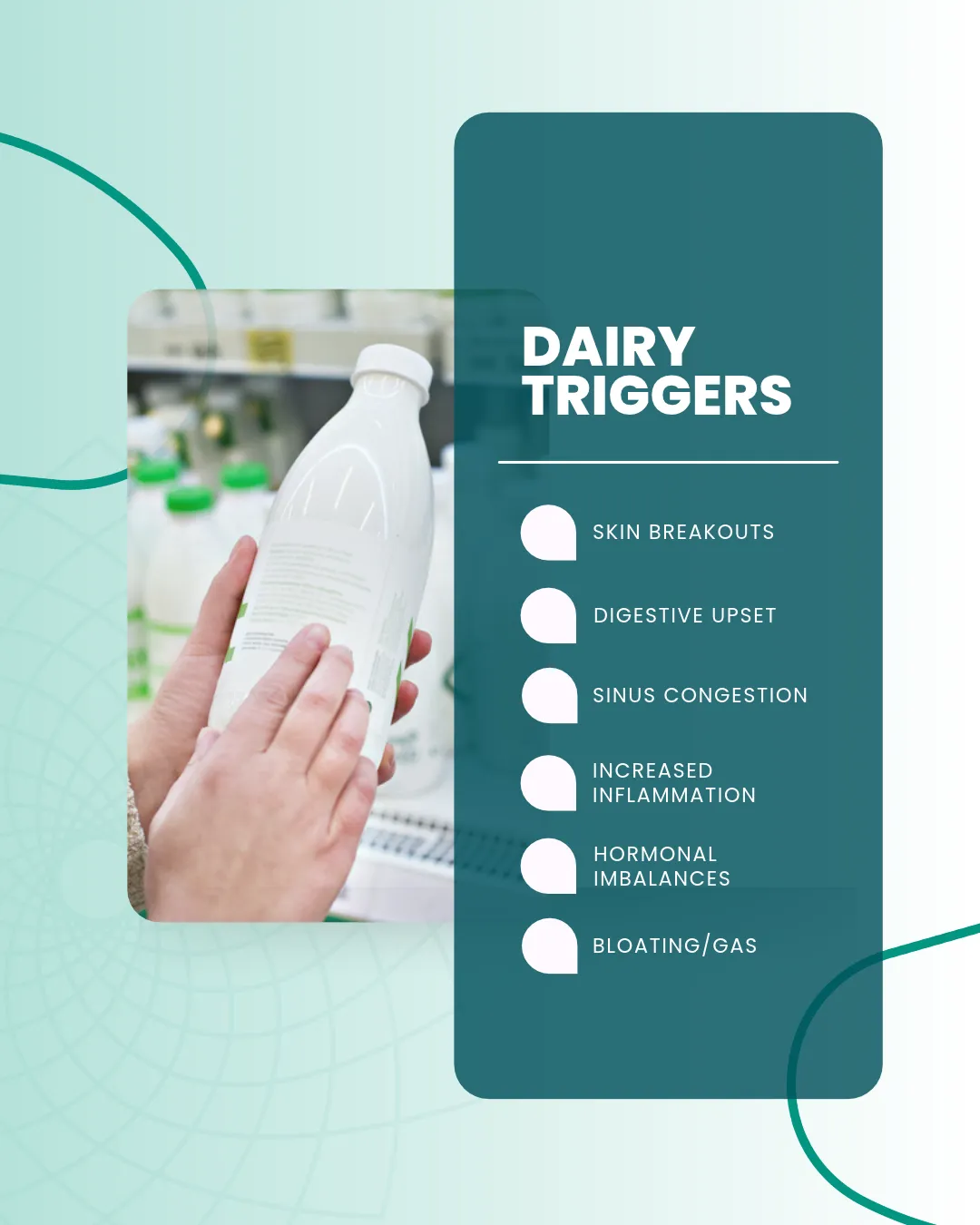
- Skin Breakouts: Some people notice more acne or rashes after consuming dairy. This happens because certain components in dairy can lead to increased oil production in the skin.
- Digestive Upset: This includes symptoms such as bloating, gas, and diarrhea. These symptoms often occur in individuals who are lactose intolerant, meaning their bodies don't produce enough of the enzyme lactase needed to digest lactose, the sugar in milk.
- Sinus Congestion: Dairy can cause increased mucus production for some individuals, leading to stuffy noses and sinus issues.
- Increased Inflammation: Some research suggests that dairy products may contribute to inflammation in the body, which could exacerbate conditions like arthritis.
- Hormonal Imbalances: Dairy can contain hormones that might affect the natural balance in your body, leading to issues such as mood swings or weight gain.
Understanding Lactose Intolerance vs. Dairy Allergy
It's crucial to differentiate between lactose intolerance and a dairy allergy, as they involve different bodily responses. Lactose intolerance is an enzyme deficiency leading to digestive problems, while a dairy allergy involves an immune system reaction to milk proteins, potentially causing more severe responses, such as hives or anaphylaxis.
Steps to Manage Dairy Sensitivity
If you suspect dairy is causing health issues, here are steps to manage your sensitivity:
- Keep a Food Diary: Track what you eat and note any symptoms. This can help identify if dairy is the trigger.
- Try an Elimination Diet: Remove dairy from your diet for a few weeks and observe if symptoms improve. Reintroduce slowly and monitor any changes.
- Explore Alternatives: There are many non-dairy alternatives available, such as almond milk, soy yogurt, and coconut-based products.
- Read Labels Carefully: Dairy can be in unexpected places, such as salad dressings or baked goods. Always check ingredient lists.
- Consult with a Healthcare Provider: If you're unsure about your symptoms or how to manage them, speak with a doctor or nutritionist. They can provide tailored advice and, if necessary, conduct tests.
Conclusion
Dairy can be a nutritious part of many people's diets but may cause issues for others. By understanding your body's reactions and taking proactive steps, you can enjoy a diet that supports your health and well-being. Always consider speaking with a healthcare professional if you have concerns about how dairy affects you.