Understanding Egg Sensitivity and Its Effects
Understanding Egg Sensitivity and Its Effects
Eggs are a common staple in many diets. They are packed with protein, vitamins, and minerals that support growth and health. However, for some people, eggs can cause a range of health issues due to egg sensitivity. Let's explore what egg sensitivity is and how it may affect your body.
What Is Egg Sensitivity?
Egg sensitivity is not the same as an egg allergy. While an allergy triggers an immediate immune response, a sensitivity can cause delayed reactions. This means symptoms might appear hours or even days after consuming eggs.
Common Symptoms of Egg Sensitivity
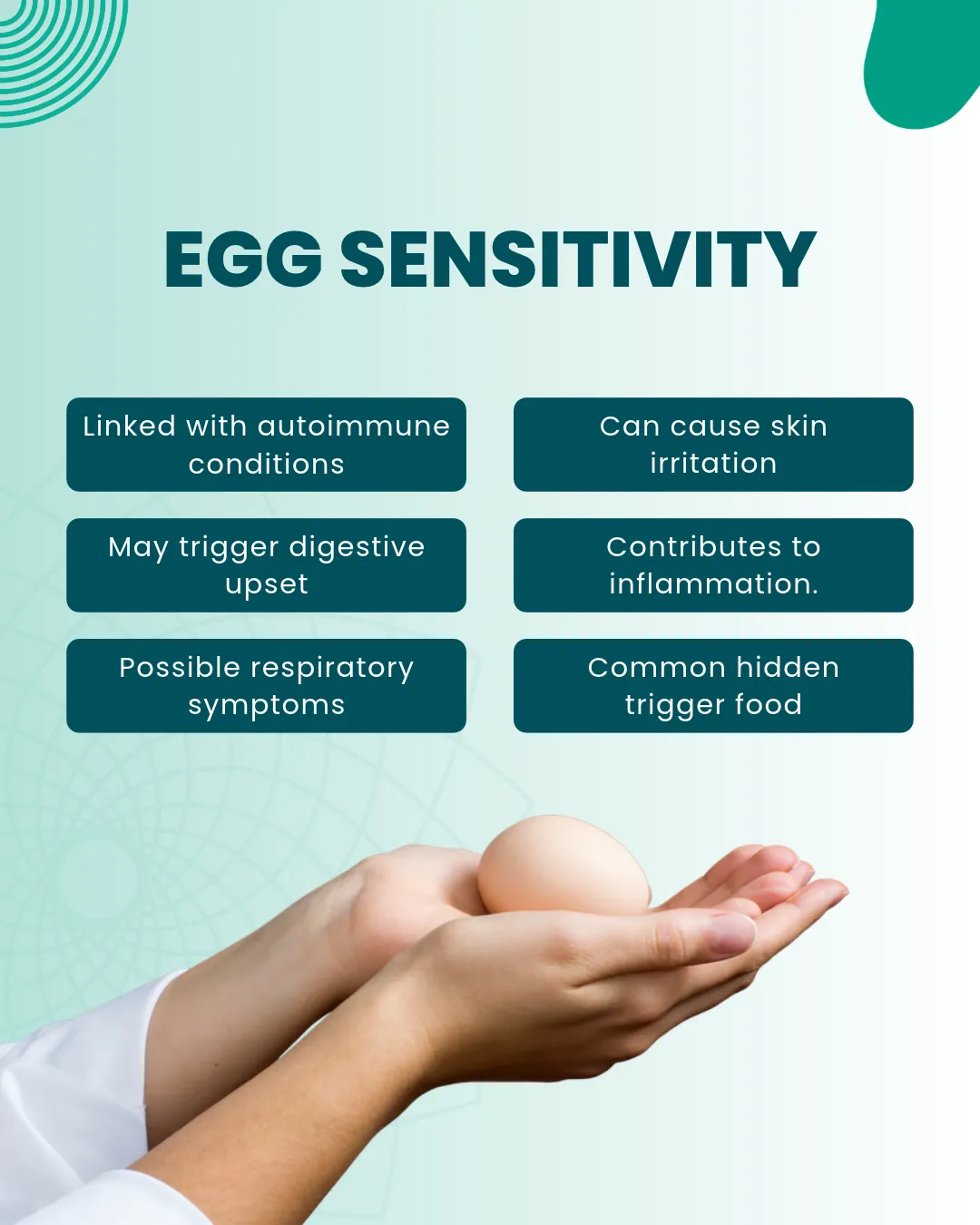
- Digestive Issues: Egg sensitivity can lead to stomach upset, cramps, diarrhea, or bloating.
- Skin Irritation: Some people experience skin conditions like hives or eczema.
- Respiratory Problems: Sneezing, runny nose, or asthma-like symptoms can occur.
- Inflammation: Eggs can contribute to inflammation, which may exacerbate other health conditions.
- Autoimmune Conditions: There is a link between egg sensitivity and autoimmune disorders.
Why Do Some People Develop Egg Sensitivity?
The exact cause of egg sensitivity is not fully understood. It is believed to be linked to how the immune system reacts to proteins found in egg whites or yolks. In people with a sensitivity, the immune system mistakenly sees these proteins as harmful.
Hidden Sources of Eggs
Eggs are a hidden ingredient in many processed foods. Individuals with egg sensitivity should carefully read labels. Some common foods that may contain eggs include:
- Mayonnaise
- Bakery products like cakes and cookies
- Pasta (certain types contain eggs)
- Meatloaf and meatballs
- Salad dressings
Managing Egg Sensitivity
Managing egg sensitivity involves careful diet planning. Here are some steps you can take:
- Identify the Trigger: Work with a doctor or nutritionist to determine if eggs are the cause of your symptoms.
- Avoidance: Remove eggs and egg-containing products from your diet.
- Substitutes: Use egg replacers or plant-based alternatives in recipes.
- Stay Informed: Educate yourself on food labeling and ingredient lists.
- Monitor Symptoms: Keep a journal of what you eat and any symptoms you experience.
Conclusion
While eggs are nutritious, they can be problematic for those with sensitivity to them. Understanding and managing your diet can help alleviate symptoms and improve your quality of life. If you suspect you have egg sensitivity, consult with a healthcare professional to develop a plan that is right for you.
Remember, finding out about egg sensitivity is the first step toward better health. Be proactive and take control of your diet today!