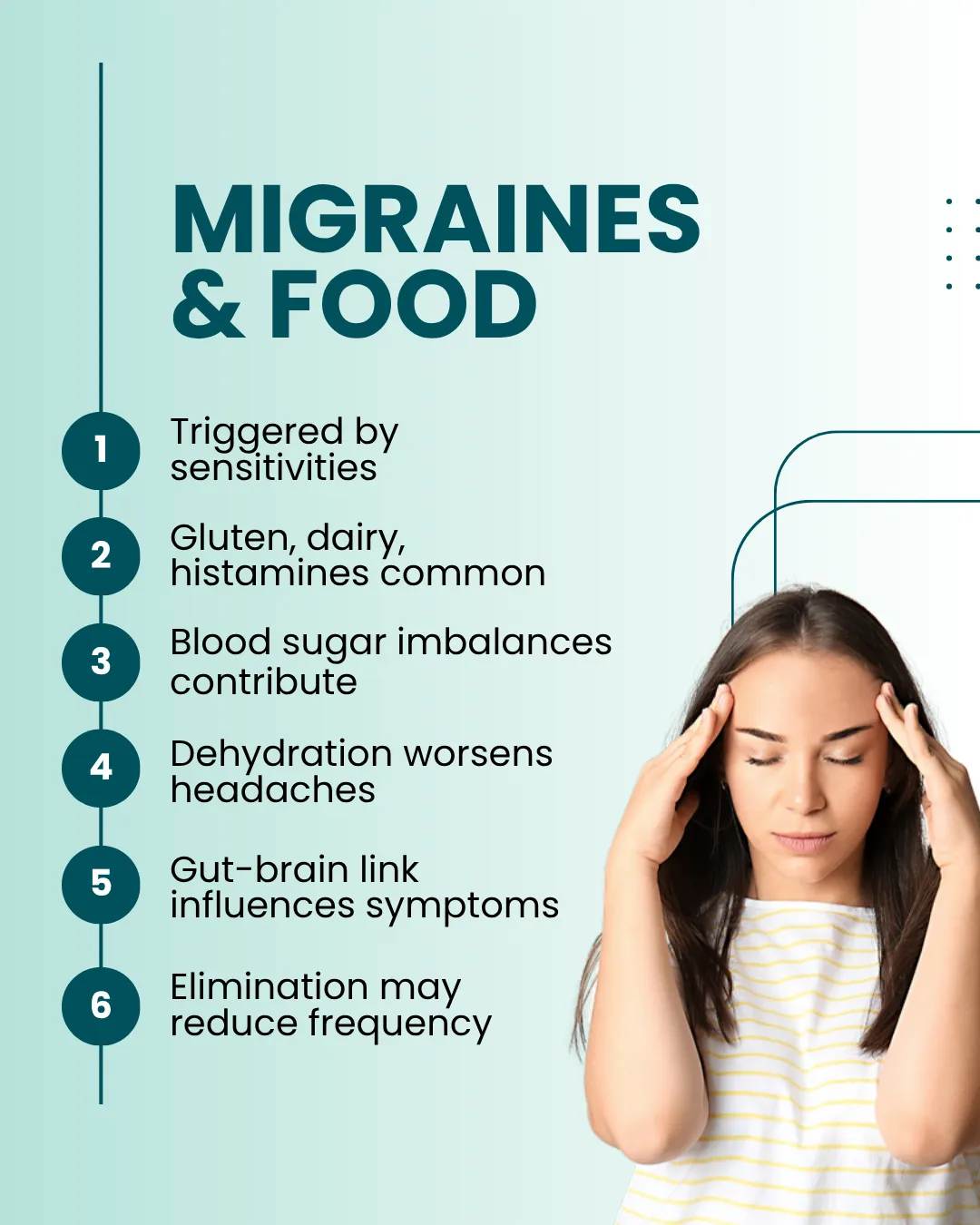
Understanding Migraines and Diet Connections
Understanding Migraines and Their Connection to Diet
Migraines are a common and often debilitating condition that can significantly interfere with daily life. One of the lesser-known causes of migraines is how certain foods can trigger these painful headaches. Understanding the relationship between food and migraines can empower individuals to make dietary changes that may reduce the frequency or intensity of migraine attacks.
1. Sensitivities as Triggers
The first step in managing migraines is recognizing that they often start with food sensitivities. These sensitivities can act as triggers, leading to migraine episodes. Identifying and managing these can be critical in reducing their occurrence.
2. Common Offenders: Gluten, Dairy, and Histamines
Among the most common dietary triggers for migraines are gluten, dairy, and foods high in histamines. These substances can trigger inflammation, leading to migraines. For some, eliminating or reducing these foods can lead to fewer headaches.
- Gluten: Found in wheat and related grains, gluten can trigger migraines in those with sensitivities.
- Dairy: Many individuals are intolerant to dairy, which can exacerbate migraine symptoms.
- Histamines: These are found in foods like aged cheeses and fermented products, known to trigger headaches.
3. Blood Sugar Imbalances
Maintaining stable blood sugar levels is crucial for overall health and can also impact migraines. Imbalances can trigger headaches by affecting the amount of glucose in the brain.
- Strategies:
- Consume small, frequent meals.
- Include protein with every meal to stabilize blood sugar.
- Avoid skipping meals as it may lead to low blood sugar levels.
4. Importance of Hydration
Dehydration is a well-known migraine trigger. Ensuring adequate water intake can prevent headaches and is a simple yet effective strategy.
Here are some ways to stay hydrated:
- Drink water regularly throughout the day.
- Incorporate hydrating foods such as fruits and vegetables.
- Limit beverages that can lead to dehydration, such as alcohol and caffeinated drinks.
5. The Gut-Brain Axis
The gut-brain connection is an emerging area of research that points to a link between our digestive health and migraine occurrences. A healthy gut can reduce inflammation and stress, minimizing migraines.
Improving Gut Health
- Include fiber-rich foods to promote healthy digestion.
- Consider probiotics to balance gut flora.
- Avoid processed foods that can disrupt the gut microbiome.
6. Elimination Diets
Elimination diets can help identify which foods might be causing migraines by removing potential triggers and reintroducing them slowly.
To try an elimination diet, follow these steps:
- Remove: Start by eliminating common triggers like gluten and dairy.
- Observe: Pay attention to any reduction in migraine frequency.
- Reintroduce: Slowly add the eliminated foods back, one at a time, to see which ones cause reactions.
Conclusion
Understanding the connection between migraines and food is an important step in managing health and well-being. By paying attention to dietary triggers, blood sugar levels, and hydration, individuals can take control of their migraines. A nutritious and balanced diet not only improves overall health but may significantly decrease the frequency and severity of migraine attacks.