Understanding the Power of Protein
The Power of Protein: Building a Stronger You
Proteins are one of the most essential nutrients for the body. They are the building blocks that help our bodies work properly. From supporting the muscles to boosting the immune system, protein plays many crucial roles in our health. Let's explore these benefits to understand why protein is so important.
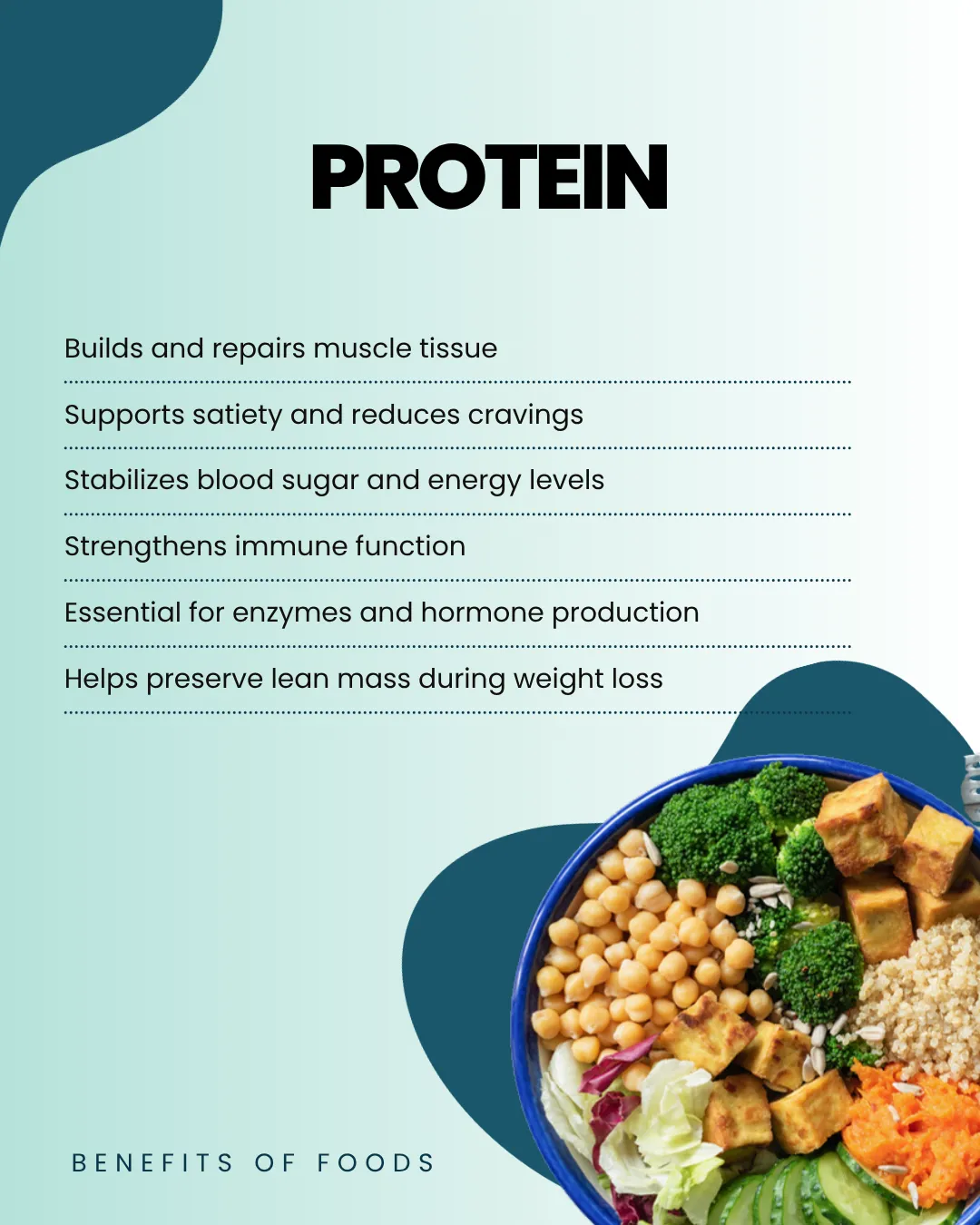
1. Builds and Repairs Muscle Tissue
Proteins are made of amino acids, which are necessary for building and repairing muscles. Whether you're an athlete or just someone who wants to stay fit, it's vital to include enough protein in your diet. The muscle tissues need protein to grow stronger, especially after exercises like running, swimming, or lifting weights.
2. Supports Satiety and Reduces Cravings
Have you ever felt hungry shortly after eating a meal? Adding more protein to your diet can help. Protein has the ability to make you feel full longer. This means you'll eat less often and avoid unnecessary snacking, leading to better weight management.
3. Stabilizes Blood Sugar and Energy Levels
Proteins also play a key role in regulating blood sugar levels. When you eat foods rich in protein, they help keep your blood sugar stable. This means you'll have steady energy throughout the day without feeling sudden energy crashes.
4. Strengthens Immune Function
Your body's defense system relies on proteins to function effectively. Proteins help produce antibodies that fight off illnesses and infections. This makes proteins crucial for keeping you healthy and strong.
5. Essential for Enzymes and Hormone Production
Enzymes and hormones are crucial for many body processes, such as digestion and mood regulation. Proteins provide the necessary components for producing these. Without enough protein, these processes may not work as efficiently.
6. Helps Preserve Lean Mass During Weight Loss
When people try to lose weight, maintaining muscle is often a challenge. By consuming enough protein, you can help preserve lean mass, even as you lose body fat. This is vital for keeping your energy levels up and maintaining a healthy metabolism.
How to Include Protein in Your Diet
- Meat and Fish: Chicken, beef, and fish are excellent sources of protein.
- Dairy Products: Milk, cheese, and yogurt provide plenty of protein.
- Legumes: Beans and lentils are great plant-based protein options.
- Nuts and Seeds: Almonds, chia seeds, and peanuts can boost your protein intake.
- Tofu and Tempeh: These soy products are wonderful for plant-based diets.
- Eggs: A convenient and versatile protein source.
Conclusion
Understanding the importance of protein in our diet can help us make healthier choices. Protein supports muscles, manages hunger, regulates energy, and fortifies our immune system. Including enough protein from various sources can lead to a healthier, more balanced life. By focusing on protein-rich foods, everyone can enjoy the many health benefits that protein offers.